
MARKET REPORT
Andalucía Market Report 2025
Click on the images to see larger versions
Introduction
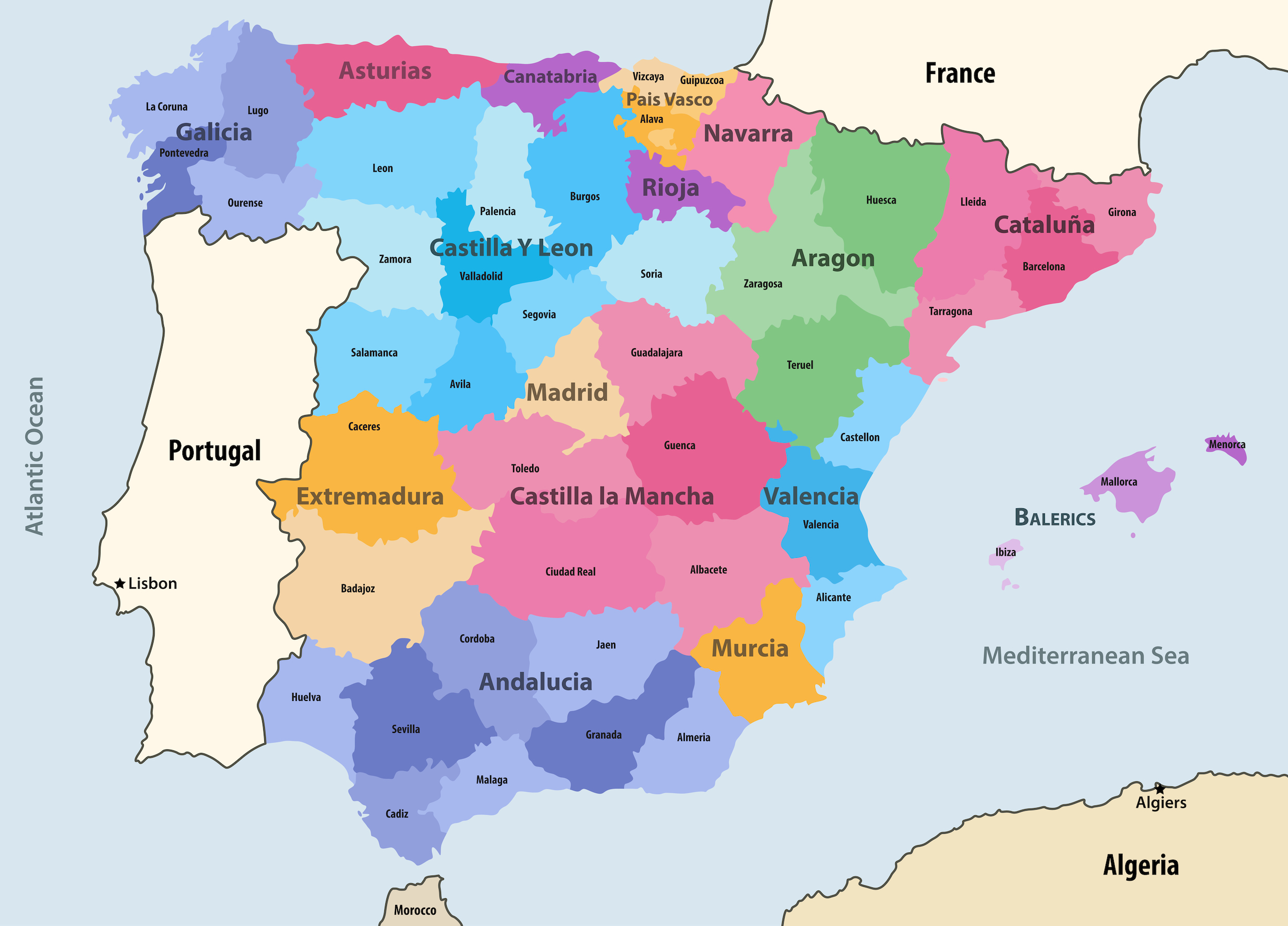
Before diving into the detail, these headline points summarise the current shape of Andalucía’s property market:
- Andalucía accounted for around 19.5% of all 2025 property transactions in Spain, confirming its role as a core national market
- Overseas buyers represented approximately 19.03% of purchases region-wide, but their impact is highly concentrated in a small number of prime locations
- In Málaga province, foreign buyers accounted for 42.6% of transactions, rising to over 60% in Marbella and 83% in Benahavís
- Prices vary sharply by location. While the regional average was €1,663 per m², prices in Málaga province were 71% higher,
- with prime municipalities such Marbella far above that, 162% above the regional level and 53% above the provincial level, at €4,424 per m².
- New-build homes represented less than 10% of transactions, highlighting structural under-supply, not overbuilding
- Looking ahead to 2026, strong international demand and limited supply in prime areas are expected to keep upward pressure on prices
Buying a property in a market you know well, in which you understand the legal system and speak the language, is one thing. Searching in another country you may only know from family holidays, where you are unfamiliar with how the legal system functions and don’t speak the language, is quite another. But that’s the situation in which many buyers from overseas find themselves when planning a purchase in Spain. Good research, and an understanding of market evolution over time and market trends going forward, particularly with reference to prices and locations, is essential. However, getting access to reliable statistics has not always been easy in Spain. The main reason for that is the two principal sources of property market statistics, the Notaries and the Property Registries, produce figures that differ by as much as 25% because they count when a purchase takes place differently. That’s confusing for buyers who want to know if the market is trending up or down, current prices, prime locations, and lots of other issues.
Spain has 17 autonomous regions, some of which have very low numbers of foreign property buyers, while in others overseas purchasers have a market share as high as 40%. However, at the autonomous regional level, detailed statistics were not available in the same level of detail as today’s notarial statistics. Therefore, in this review of Andalucía’s property market, taking in regional, provincial, and municipal data, where historical comparisons are made, figures for 2006 are based on proportional estimates derived from Andalucía’s long-term share of national transactions and the national foreign buyer participation rate at the market peak. These figures should be read as indicative rather than definitive but provide a credible basis for comparison.
The absolute peak of Spain’s property market occurred in 2006 with 955,186 transactions recorded, but, as regards who was buying, all the statistics could tell us was the market share ascribed to foreign buyers. The situation started to improve from 2007 when the Notaries began statistical analysis of transaction numbers by domestic and overseas buyers, nationalities, prices, and autonomous regions. This format has provided a useful overview of international buyer patterns from just prior to the 2008 market meltdown, through the subsequent recovery, and the disruption between 2020 and 2023 caused by Covid-19.
Andalucía is an important part of Spain’s overall property market because it accounts for approximately 20% of total transactions across the country. Likewise, in the overseas sector, about 20% market share in Andalucía as a whole can be attributed to foreigners, and in 2025, it was 19.03%, more or less in line with the national average. However, as this report will demonstrate, foreign market share in some areas is double that figure when you dig deeper into the data relating to provinces and municipalities.
I think it’s now time to move on from the statistics relating to the pandemic-affected years, as it’s clear just how much the post-pandemic surge of overseas buyers playing catch-up distorted the figures. We now have three years’ statistics to work with that really aren’t affected in any way by the pandemic disruption, and, in my view, we do have an idea of what the ‘new normal’ looks like. And I think it looks pretty good. The data shows that Andalucía’s property market is increasingly driven by concentrated overseas demand in a small number of prime locations, against a backdrop of long-term under-supply.
Where The Numbers Come From
In Spain, all property transactions are completed in front of a notary and counted by the date of signing the Title Deed. In my view, this makes them the most accurate and the ones I prefer to use. Until now, these were published half-yearly, meaning we had to wait until well into the following year to get a complete picture of the previous year. However, the Notaries are now giving rolling totals of some statistics over a 12-month period. They are still not up to the standard of those countries which give actual sales prices of individual properties, but it’s a real improvement nevertheless. We just haven’t had access to such detail previously, all in one place and within a relatively short timeframe, and this report will be updated throughout the year as monthly returns are published.
Ministry of Transport, Mobility & Urban Agenda (MITMA) statistics, which are published quarterly, give breakdowns by province and municipalities, making it easy to spot market hotspots. However, they do not count by nationality; foreign buyers are counted as a block, split by whether they are resident or non-resident in Spain. If I use them in this report, I will cite them as the source, but I think the new format from the Notaries will do the job. In general, I pay no attention to statistics from the Property Registries as they don’t record when a purchase is actually done but when it is entered in the Registry, which may be weeks and even months later. This inevitably muddles quarterly and annual returns and leads to confusion, so I avoid them.
To understand where the property market is now, it helps to know where it’s come from, so I’ll start with a brief résumé.
The Notaries produce the most accurate statistics with breakdowns by nationality, regions, provinces and municipalities.
Where We Were
At the peak of the Spanish Property Market bubble, which burst as a result of the 2008 global financial crash, the highest market share attributed to overseas buyers was 8.97% in 2006, resulting in 85,680 purchases. What we can’t learn from these statistics is where those foreign nationals were investing; the data just wasn’t collected, but as Andalucía’s share of the foreign market sector has remained relatively stable at 20%± over the past two decades, we can calculate approximately 17,000. In 2007, when the Notaries started counting overseas buyers accurately, in spite of Andalucía’s foreign market share remaining stable at 20.6%, actual numbers were heading for the cliff-edge, down 30% to 11,898, and falling a further 39% to 7,252, before hitting bottom in 2009 with 6,215 foreign buyers. From peak 2006 to the trough in 2009, overseas buyer numbers fell 63%.
While the domestic sector of the Spanish property market was still in steep decline until 2014, growth in the overseas sector got going again in 2012 and buyer numbers have increased every year since with the exception of 2020, the year most affected by Covid-19 lockdowns. In price terms, Marbella was the first place anywhere on Spain’s Mediterranean coast to register price rises post-2008. That was in Q1 of 2014 and prices have risen every quarter since. In the three years before the pandemic arrived, the annual average of foreign property buyers in Andalucía was 18,500. In 2025 there were 27,454 international buyers, a 48.4% increase, and the sector has just about quadrupled since the 2009 low point. So before diving into the latest statistics, I’ll put forward a few reasons why Andalucía is such a magnet for buyers from overseas.
Why Andalucía?
Andalucía is Spain’s second largest autonomous region, the only region with both Mediterranean and Atlantic coastlines and the location of five of Spain’s most historic cities: Cádiz, Málaga, Seville, Granada, and Córdoba. Cádiz is thought to be the oldest continuously inhabited city in Europe, settled by the Phoenicians over 3,000 years ago, and the annual New York Times list of 52 places to see had Cádiz at number 50 in 2019. In November 2023, Forbes magazine reported on the annual poll by InterNations, a global community of people living and working abroad, which ranks the best cities in the world to be an ex-pat. Málaga was ranked #1. (Source:Forbes)
The Sunday Times has also highlighted great things to do in Andalucía, which have nothing to do with lying on a beach. For example, some serious hiking or discovering the triangle of iconic Andalucían cities. And the project to link the entire 185 kms of the Costa del Sol with a coastal path is progressing well. Andalucía really does have something for everyone, with lots of options for property buyers. It’s so much more than a sun ’n sand summer destination; everywhere on Spain’s Mediterranean and Atlantic coasts is good for that. There were clear signs from 2024 that more visitors are coming in what used to be thought of as low season, as Málaga overtook Gran Canaria to become Spain’s 3rd busiest airport in the Jan - March period.
However, many foreigners forget that only a small part of Spain’s Mediterranean mainland coast faces south, and it’s all in Andalucía. This helps explain why it is one of the very few places in Spain, indeed in Europe, with a genuine 12-month season. The micro-climate areas on Andalucía’s southern Mediterranean coast are buzzing all year round, particularly in the main golfing locations. That’s where you find the mildest winter temperatures on the European mainland. Meanwhile, on Andalucía’s Atlantic coast, there are some of the best wind and kite surfing conditions in the world throughout the year.
Head into the Sierra Nevada for Europe’s most southerly and sunniest ski resort, just 45 minutes from the coast. And it’s also one of Europe’s highest resorts with slopes between 2,100m and 3,300m above sea level and the highest peak on the Spanish mainland; Mulhacén at 3,477m. These altitudes mean it is usually open by the end of November and rarely closes before May. The resort is currently undergoing a 10-year investment programme to update infrastructure, including twenty new snow cannons. And when the snow melts in May? Then mountain biking, motocross, hiking, and other summer activities are on offer.
For sports enthusiasts, Andalucía is a dream location. There’s horse-riding on the coasts and in the sierras. Tennis year-round, scuba diving, wind and kite surfing, rock climbing, hiking, cycling, and mountain biking, snow skiing. They’re all there, with the perfect climate in which to enjoy them. But for Andalucía, the biggest sport of them all is golf.
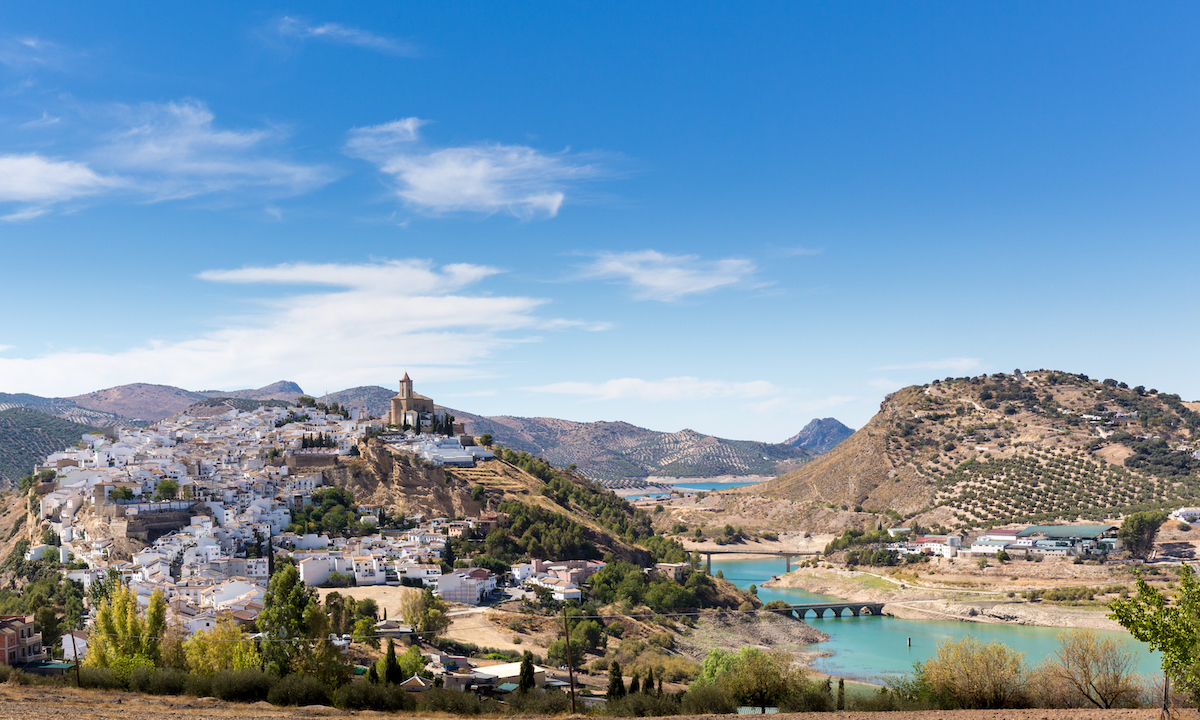
Andalucía really does have something for everyone, with both Mediterranean and Atlantic coasts, a vast, mountainous interior and some of Spain’s most historic cities. The pretty ‘pueblos blancos’, the white villages in the hills, are a quintessential part of the Andalucían landscape. And for sports enthusiasts Andalucía is a dream location.
Golf, Golf And More Golf
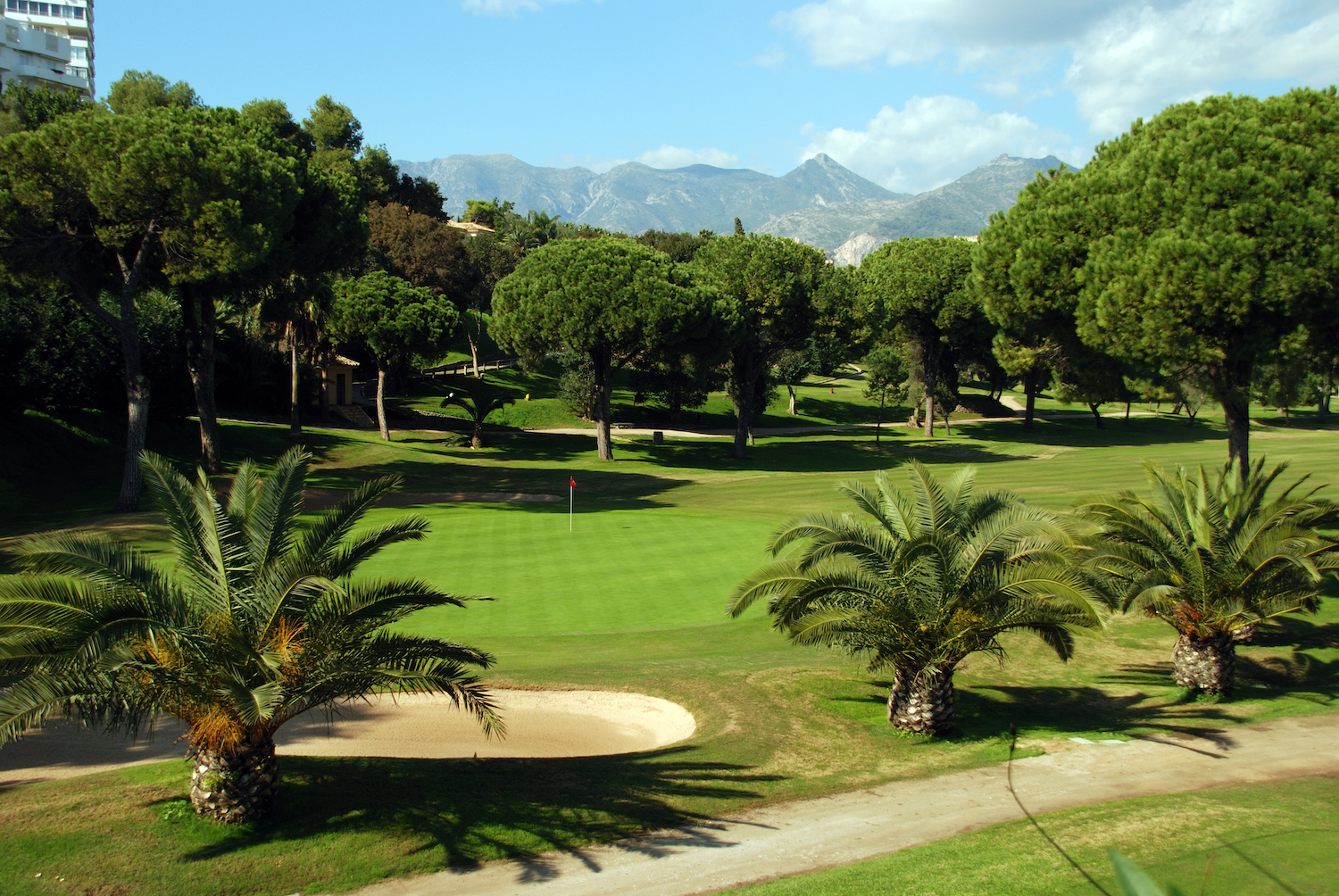
Andalucía has 102 golf courses and 47 of those are in Málaga province. That’s why the Costa del Sol also brands itself the Costa del Golf. In Cádiz province, there are 7 courses in the Sotogrande area. Valderrama is the most famous, thought by many to be the best course in Europe and one of the best in the world. Who can forget the Seve Ballesteros Ryder Cup in 1997, played on this course?
In fact, 25% of all Spain’s courses are in Andalucía, bringing in more than half a million golfers between October and May. Without doubt, golf is one of the reasons for the 12-month season on the Costa del Sol. In comparison, Mediterranean coasts without a thriving golf sector are relatively quiet in winter and many bars, restaurants, and businesses close. The golf sector generates over €1 billion for the Andalusian economy, and the daily spend of golfers is estimated to be about double that of summer visitors.
Unpicking The Statistics
In 2025, there were 144,269 property transactions in Andalucía, 19.6% of the overall property market in Spain. Historically, foreign market share in this region has been 20%± and 2025 was right on the mark at 19.03% with 27,454 purchases attributed to buyers from overseas, split roughly 50/50 between resident and non-residents. However, what the Andalucía average foreign market share masks is the high levels of foreign buyer activity in just a few locations and almost none in others. As a result, when it comes to the overseas property market, it’s better to think about the individual provinces rather than the autonomous region as a whole.
The 2025 figures show that 25% of all transactions occurred in just one of Andalucía’s eight provinces, Málaga. Of the 35,780 property transactions in the province, 15,242 were by foreign buyers, a market share of 42.5%, more than double both the regional and national foreign market share averages. In addition, while the average price paid per square metre in Andalucía overall was €1,685, it was 71% higher at €2,892 pm2 in Málaga province. Almería is the only other Andalucía province to register foreign market share above the 20% average (27.7%) but at the other end of the scale, six of the eight provinces had foreign market share way below the national level, the lowest being Córdoba (5.26%) and Seville (5.29%). Why the big difference?
As I pointed out in our annual report for the Spanish Property Market as a whole, only five of Spain’s autonomous regions have a Mediterranean coast, and these accounted for 73% of all overseas buyers in 2025. Of Andalucía’s eight provinces, four are on the Mediterranean and four are not, and the statistics clearly show the benefits of having Mediterranean coasts. The three inland provinces, Córdoba, Jaén, and Seville, plus Huelva on the Atlantic coast, had a combined total of 3,854 foreign buyers in 2025, while the four on the Mediterranean, Almería, Granada, Málaga, and Cádiz, counted 27,454 in the same period, 86% of Andalucía’s overseas purchasers. However, of the four Mediterranean provinces, Málaga accounted for 55.5% of the transactions by overseas buyers, so it’s quite clear it is the engine of the overseas property market in Andalucía.
Andalucía average foreign market share masks the high levels of foreign buyer activity in just a few locations and almost none in others. When it comes to the overseas market, it’s better to think about individual provinces and municipalities rather than the autonomous region as a whole.
Andalucía's Prime Locations
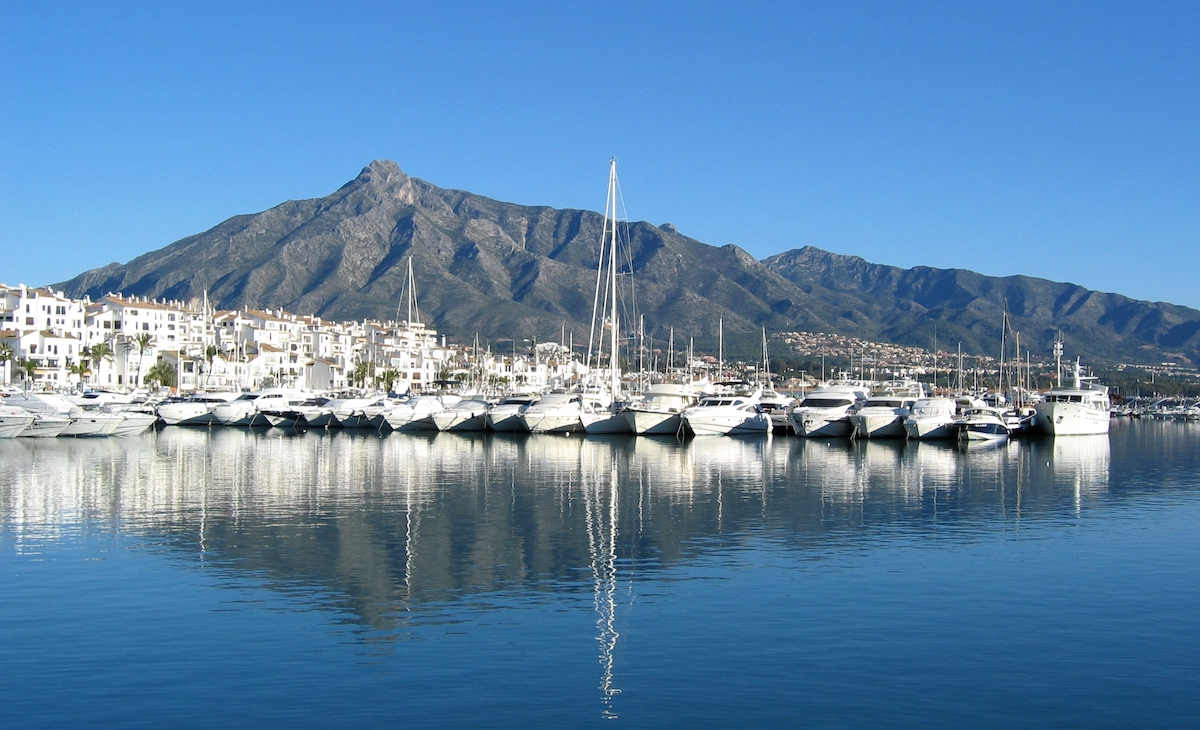
The statistics given in the previous section show that Málaga province leads the way in Andalucía. Within the province, the prime areas are the Marbella municipality, the Benahavís municipality, which takes in the hills just behind the coast, heading up the road to Ronda, and Estepona. There are 208 municipalities in Málaga province, but just these three, often called the Golden Triangle, accounted for 24% of the total market in 2025. Add Málaga city, the municipality, into the mix, and that becomes 40% of the total provincial market.
The Costa Tropical in Granada province is where buyers can find superb panoramic sea views, very close to the water. Some frontline properties even have steps right into the sea. Its proximity to the Sierra Nevada means it is one of the few places where it is possible to sunbathe on the beach in the morning, then head into the mountains for an afternoon of skiing. In Cádiz province, Sotogrande is the star turn on the Mediterranean side, with a property range that goes from holiday apartments to the most palatial mansions. Head over to the Atlantic side of Cádiz to find some of the best year-round wind and kite-surfing conditions in the world and kilometres of silky, white sand and little construction.
Inland, the prime locations include Ronda, Gaucín, Coín, Ojén and Alhaurín el Grande. However, after the 2008 crash, the rural market returned to more of a niche market, appealing to a certain type of foreign purchaser, perhaps less than 5% of the total overseas sector. Typically, they are looking for a country property with some land or a character village house. The figures tell the story. The total number of purchases in 2025 in Ronda were just 445, of which 7.7% (34) were from overseas, 36 in Gaucín (43% foreign), 276 in Alhaurín el Grande (39% foreign), Ojén 136 (72% foreign),and 369 in Coín (25.4% foreign market share). In these five the British were the leading nationality by a big margin and, apart from Ronda, the others also registered way above average overseas market share. Also notable in these inland niche markets were the price rises, way above the national average of 7.5% year-on-year. Gaucín was nearly normal at 8.3%, but Ronda saw prices up 18.4%, Coín up 21%, and Ojén up 28%. Only Alhaurín el Grande bucked the trend with prices holding steady compared with 2024.
Foreign Spending Power
And it’s not just the numbers that make foreign buyers so important to the property market in Andalucía. They spend more too, and in some locations, a lot more. The average price per square metre paid by all buyers across Andalucía in 2025 was €1,685, but in the case of overseas buyers, the average was €2,508. But if we look at the three locations that make up the Golden Triangle, the differences are even more extreme. In Marbella, the average price paid by all buyers was €4,424 per square metre, and the average spend for a property was €736,866. In Benahavís, the average per square metre was €4,112 with an average buying price of €933,722, and Estepona came in at €3,214. The exceptionally high average price paid in Benahavís is down to it being the location of two of the most prime urbanisations in Spain, La Zagaleta and El Madroñal.
And it’s also clear that in the case of foreign market share, these top-quality prime locations in the province of Málaga are in a league of their own. Foreign market share in 2025 was 62% in the Marbella municipality, 84.3% in Benahavís, and 70.8% in Estepona, against 19.8% nationally and 19.03% in Andalucía.
All the overseas buyer hotspots in Spain saw increases in the average amount paid by foreigners per square metre in 2025. In the case of Andalucía, if we make the comparison with just before the pandemic, we see that overseas buyers are paying 42% more per square metre in Andalucía now than back then.
Foreign buyers pay more per square metre than domestic buyers. Compared with just before the pandemic, overseas buyers are now paying 41% more pm2 in Andalucía than back then.
New Build Demand
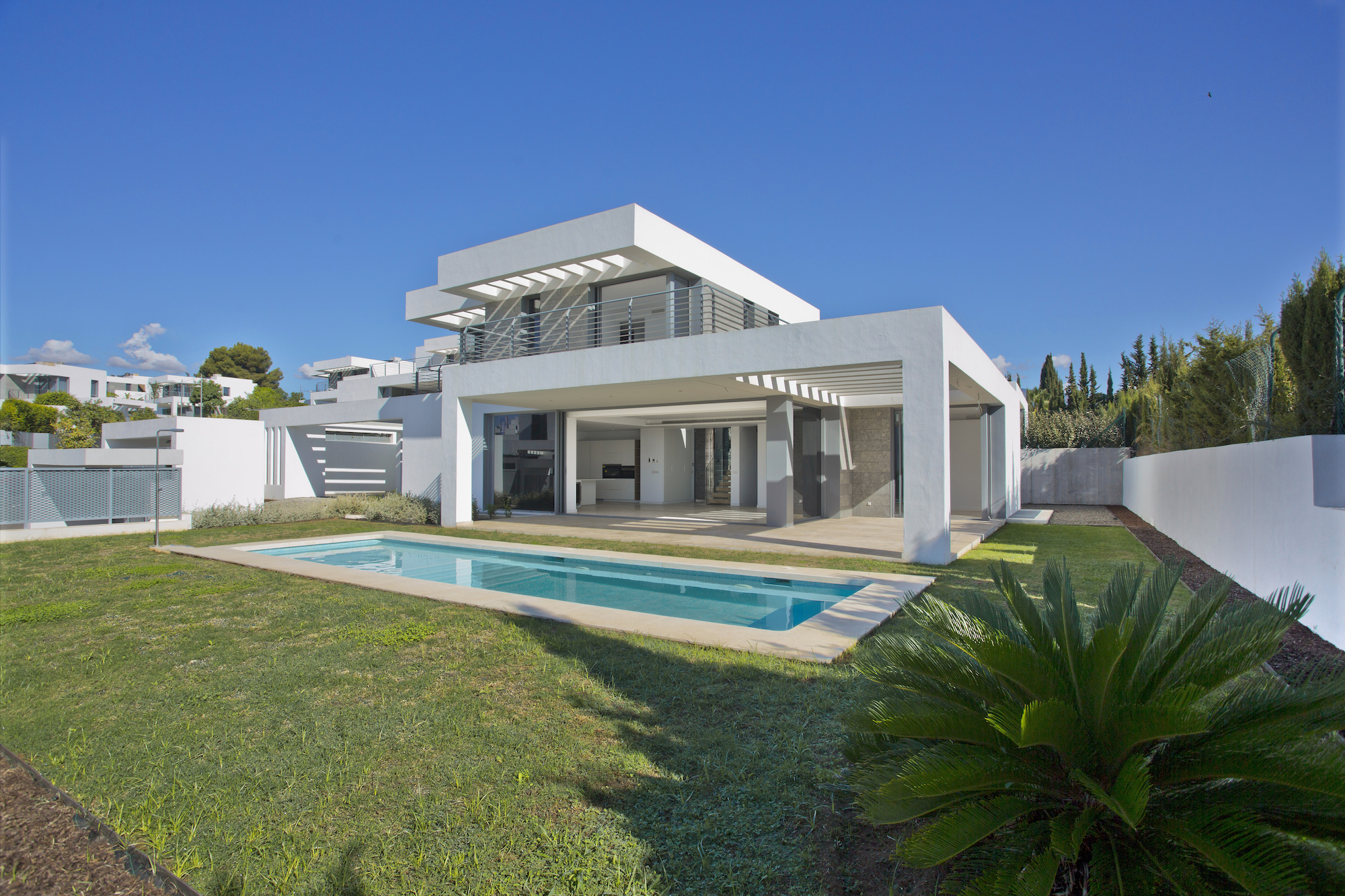
For reasons which escape me, foreign buyers are like moths to a flame if new-build is available, even when the location is inferior, the size is smaller, and the price per square metre is double that of resale property. The fact is there is very little raw building land available in the very best locations; it was built on years ago. Consequently, it follows that much of the new-build activity is not in prime locations. In addition, plot sizes and constructed square metres are becoming even smaller in comparison with resale product. In fact, I’ve seen some new-build villas on such small plots it takes real imagination to call them detached.
In spite of this, these latest statistics show buyers prepared to pay such inflated prices for new-build properties that I fear they may never see a return on their investment no matter how long they hold it. There’s always been a premium to be paid for new property, but the discrepancy between new-build and resales prices in the current market is as extreme as I have ever seen in over 25 years in the property business in Spain. The latest statistics show the average price nationwide for resales is €1,837 per m2, while it is 51.1% higher for new-builds at €2,775 per m2.
Once recovery started after the 2008 crash, the supply side of new properties lagged way behind demand. In reality, there was no supply side as the construction industry was more or less wiped out. At the height of the building frenzy in 2006, Spain approved building licences for 735,000 units, of which approximately 21,000 were in Málaga province. However, in 2014, the number of building permits granted in the province was a total of 798, a fall of 96.2%, and similar reductions occurred across Spain. Demand, predominantly from overseas buyers, started to recover from 2012 onwards and rapidly overtook supply.
And now, the latest figures seem to show that Spain’s construction industry is still in the doldrums and the number of new units being completed is around 100,000 per year. This is totally insufficient to satisfy even the number of new household formations, currently running about 235,000, on top of which there is increasing demand for second homes from both domestic and foreign buyers and rental investors. Clearly, the demand/supply imbalance is not going to improve in the near future and, inevitably, will put further upward pressure on prices in the resale sector. At the peak of the Spanish property market in 2006, approximately 40% of the sector was new-build, surely a reflection of the building frenzy that had been going on since the late 1990s. Today, nationally, regionally and provincially, new-build market share is less than 10% and in some areas it’s less than 5%. People can’t buy what isn’t there.
Resale Demand
The lack of well-priced, top-quality resale properties in prime locations means demand is running way ahead of supply in this segment of the market in Andalucía. Given rising demand, it is now very common for there to be competition between buyers for a good property in the right location. In addition, whereas in pre-pandemic 2019 I would have said buyers were more likely to walk away from a purchase than overpay, lack of stock is ramping up the pressure on buyers.
Buyers should be prepared to move quickly to secure properties in prime locations. In several cases, our clients succeeded in buying beachside properties even before they came on the market. As a result, no local agent even knew they were for sale and our clients got a clear run at them. I had done all the research ahead of time because buying agents, such as The Property Finders, are often tipped off in advance about the very best properties and we aim to get our clients ‘first in the door’ whenever possible.
Nevertheless, I have a problem with some asking prices. I feel sellers assume that just because new-build prices have gone through the roof, they can ramp up their asking prices to similar levels. As I pointed out in the previous section, prices for new-builds are carrying a 50% premium just because they are shiny and new, and I feel too many sellers are aligning their asking prices to what’s happening in that sector. Throughout 2025, asking prices were reduced, some properties stuck on the market for months, and large bonuses were being offered to whichever agent came up with a buyer. Although, as a buyer’s agent, I don’t advise sellers on asking prices, I certainly advise my clients when I think an asking price is way over the top. In most cases, if it seems unlikely there is scope for a sensible negotiation, my clients will decide against viewing it. An unrealistic asking price is a deterrent.
Getting It Right in 2026
If you buy at the right price, property in Andalucía is still relatively affordable. There’s potential for substantial capital growth in the medium term and excellent rental yield potential. A former client of The Property Finders is seeing a 2019 purchase generating a gross yield of 8% for a long-term let. However, a lot changed in 2025, and if rental income is part of your buying strategy in 2026, we advise caution, particularly in city centres.
The mood has changed and so has the law, with new restrictions coming thick and fast. City centre licences may disappear altogether - in 2024 Barcelona announced a total freeze on new licences and plans to phase out tourist lets completely from 2028, and in 2025 Málaga announced a 3-year freeze in saturated zones. While it’s true in most city centres the proportion of tourist rentals is low, relative to the total number of units in the city, historic city centres of perhaps no more than 1.5 km2 have become saturated. In Barcelona, for example, it is estimated there are already 200 buildings with no residents at all - in effect, they are operating as aparthotels. Málaga and other Andalucían cities aren’t quite at that stage yet, but it could happen, and if you like the idea of a city-centre apartment, my advice would be to avoid any building with existing tourist lets if at all possible. More restrictions and better enforcement should mean a city-centre building without tourist rentals now is unlikely to get them in the near future.
There’s less of a problem away from the city centres, but it seems likely that more apartment complexes will vote to limit or ban short-term holiday lets, and even in developments with no restrictions, owners must now get permission from the Community of Owners before renting to tourists. These changes mean detached houses and townhouses are the best bets for rental income. However, the Andalucía authorities issued a useful clarification recently, stating that a property sold with a tourist rental licence retains that licence. In addition, Communities of Owners which decide to ban tourist rentals must respect those already holding a licence. The rationale is that a property secures a licence by meeting all the criteria as stipulated in Andalucía and nothing changes on sale. In contrast, Barcelona intends to phase out tourist rentals by cancelling the licence on sale and not transferring it to the new owner. Already, Andalucían property listings on agents’ websites and property portals are specifying ‘tourist rental licence held’. Expect price rises.
For more on the issues and proposed solutions, see recent blogs here: A Global Problem and Local Solutions. For a real horror story on the potential damage to quality of life if you buy in a building with tourist lets, read my Home or Hotel blog.
Wherever you plan to buy in Spain, my advice is always the same. Don’t buy anything that is blighted. Roads tend to get busier over time, so if it’s noisy now, it will only get worse. If there is a mobile mast in view, assume there will be more, as the tendency is for them to multiply. High-tension electricity pylons are also a big no-no. We can assume new housing will increase in the medium term, so it’s essential to be aware of local planning issues and what might be in the pipeline. It is essential to do the research and compare asking prices for new property with comparables in the resale sector. Buyers in the new-build sector should be cautious and ignore what an agent friend of mine calls ‘candles and cushions’ marketing. Lots of soft-focus lifestyle images, very seductive, but better to check the price per square metre and ask if it makes sense.
Andalucía’s varied geography and climate mean property buyers need to think carefully about the right location for them. It’s hot everywhere in summer, but away from the cooling coastal breezes, the interior can be too hot for many, frequently over 40ºC. In winter, even on the coasts, being outside one of the special micro-climate areas can mean temperatures as much as 10ºC lower than the warmest locations. Inland, the snow line is around 800m above sea level, and daytime temperatures are as much as 15ºC lower than on the coasts. At night, it is often below freezing. If you are considering a purchase inland, my advice is always to do the looking and choosing between October and April.
And finally, when I am assessing properties for my clients, I always ask the following questions. If circumstances change and they need to sell quickly, is the price right to enable them to do that? Secondly, is this a property for which there will always be demand irrespective of market conditions? The fact that it is quality property in the most prime locations driving the current market shows there will always be demand for top quality in prime locations. It always has been, still is, and always will be about location. Do not compromise on location; it must always be the key consideration. Think about the ‘where’ before the ‘what’.
Conclusions
I think 2025 statistics show us a new normal for the overseas sector of the property market with increased demand from a broader spectrum of international buyers, particularly at the luxury end of the market. If demand continues to grow at the same rate we saw in 2025, then expect 2026 to be more of the same - demand way ahead of supply, putting upward pressure on prices, particularly in the case of top quality properties in Andalucía’s prime locations.
One reason overseas buyer numbers seem set to grow even more is that long-haul, direct flights into Málaga airport are increasing. Direct flights from New York (Newark) on United Airlines are daily between May and September, and Doha - Málaga on Qatar Airways is now a year-round service, daily in July and August, and three or five times a week at other times. Easier access always results in more buyers. Málaga airport is currently the fastest growing in Spain in terms of passenger numbers.
Foreign buyers drove the initial recovery of the property market after the 2008 crash, buying in record numbers and increasing market share from 2013. And now it seems they are doing the same in the post-Covid period, with record numbers and increasing market share in prime Mediterranean locations. And there’s no doubt in my mind that with the ‘work from home’ and ‘work from abroad’ options becoming a reality for more people, many buyers from overseas will be deciding that home will be in Andalucía.
Do watch our videos to learn more about the background checks and due diligence we undertake for all our clients. Our promise is that you will never see a property that we haven’t thoroughly checked, inside and out, before we recommend it.
©Barbara Wood
For more information about locations in Andalucía please go here. A report covering the property market in Spain in general is here.
One reason overseas buyer numbers seem set to grow even more is that long-haul, direct flights into Málaga airport are increasing. Easier access always results in more buyers.
view our socials
© 2025 The Property Finders, International Property Search & Acquisition Services. All intellectual property in the design, images and text of this website are and will remain the property of The Property Finders. Any infringement of our rights will be pursued vigorously.
GDPR 2018 - We guarantee the personal data entered in the contact form will only be used for the purpose of replying to your enquiry and will not be shared with any other company, service or provider